
Sewing is often a solo pursuit: you, a machine, and a seam that refuses to behave. Yet the hobby is far more sociable than it first appears. Across the UK there are sewing circles in church halls, embroidery guilds meeting monthly, mending sessions in libraries and weekend workshops in fabric shops. Finding them takes a bit of detective work, and knowing what to ask before you commit saves a lot of awkward Tuesday evenings.
Not all sewing groups are alike, and turning up to the wrong one is the quickest way to decide the whole idea is not for you. Before you search, work out what you actually want.
Write down which of those appeals. A friendly drop-in circle may suit you far better than a guild with a subscription, a committee and an annual exhibition to prepare for.
Independent sewing shops, fabric shops and haberdasheries are the single best source. They know who teaches locally, which groups meet in the back room and which have waiting lists. Ask at the till. Many run their own classes and keep a folder of nearby groups behind the counter.
Noticeboards in libraries, village halls, leisure centres and churches still work. So do free newspapers and parish magazines pushed through the door. Look for terms such as "craft circle", "stitch and chat", "knit and natter" (often sewing-friendly too) and "repair cafe".
Organisations such as the Embroiderers' Guild and the Quilters' Guild have regional and local branches, and their websites list groups by county. If you are keen on one technique, a specialist society is often the fastest route to like-minded people.
Local authority adult education providers and community learning programmes run termly textile and sewing courses. Women's Institutes and similar community groups frequently have craft sections, and you do not usually need to be a member to ask what is on.
Search for your town plus "sewing group", check local Facebook groups and look at Meetup. Museums, galleries, National Trust properties and heritage centres host textile workshops too. Do check the dates on posts: a group whose last update was years ago has probably folded.
Any group should be happy to answer these. Evasiveness tells you something useful.
If irons, rotary cutters or other equipment are involved, ask who supervises and whether the group carries insurance. A sensible organiser will have this covered. For a paid course, read the refund policy before you hand over any money, and if you are unsure about a contract or a membership agreement, take proper advice rather than relying on a forum thread.
Bring a small, simple project you can pick up and put down: hand sewing, a bit of embroidery, a straightforward hem. Turning up empty-handed is fine, but having something to do makes conversation easier.
Take your own basics — needles, thread, scissors, pins, a thimble if you use one. If machines are provided, ask before you rethread one or adjust the tension; some groups keep a rota for the best machine. Expect to be asked what you make. Expect to see work far better than yours and, just as often, work that is cheerfully wonky. Give it two or three visits before you decide. Personalities take a while to surface, and the quietest member on week one is often the one who teaches you the most by week six.
This happens, particularly in rural areas. You have options.
If numbers grow, think about a small contribution to cover room hire and about public liability insurance for the venue. Once money or members' details are involved, it is worth getting proper advice before you set up anything formal.
Pick one action for this week. Ring the nearest fabric shop and ask what they know. Glance at your library noticeboard on the way past. Look up your county guild branch and send a single email. That first message is usually the hardest part. The rest is turning up with your sewing bag, a project you can actually finish, and the willingness to say hello to whoever is sitting nearest the kettle.
Photo: Alexas_Fotos / Pixabay

A practical ten-point checklist for planning craft room storage, from zoning by activity to clear containers,...
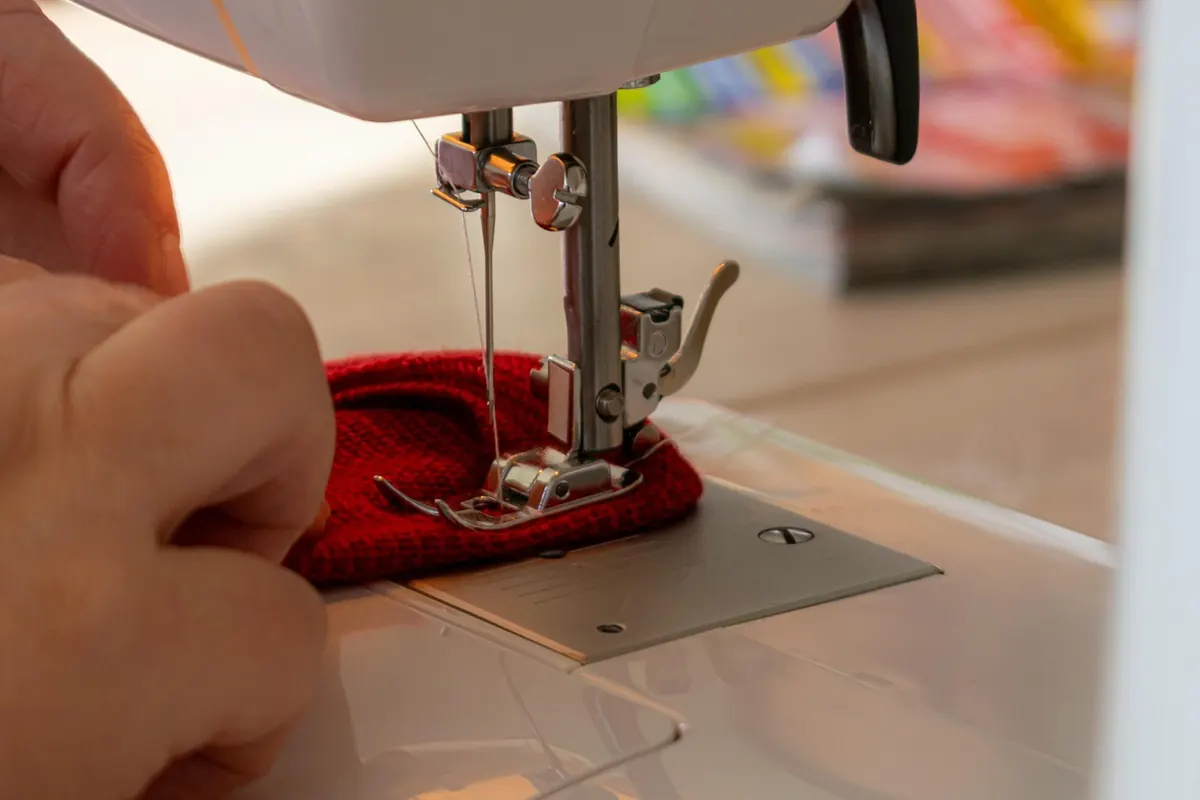
Practical ways to fit a sewing room into a small UK flat, using folding furniture, clever layout and vertical...
Eight seasonal sewing projects for UK makers, from envelope cushion covers and table runners to tea cosies and lap...

Sewing thread storage, organization, and inspiration..
